

Vol. 157 - The Longevity Roadmap
The Hallmarks Rewriting Aging in Beauty

I attended In-Cosmetics in Paris a few weeks ago, and one framework kept coming back across booths and into presentation decks. The hallmarks of longevity.
It started as an academic paper in 2013 that mapped 9 biological processes behind aging. Within a few years, it became the foundation for beauty and wellness brands looking to build credible longevity products. By 2023, researchers had expanded the list to 12 hallmarks. Today, brands are building entire product lines around them.
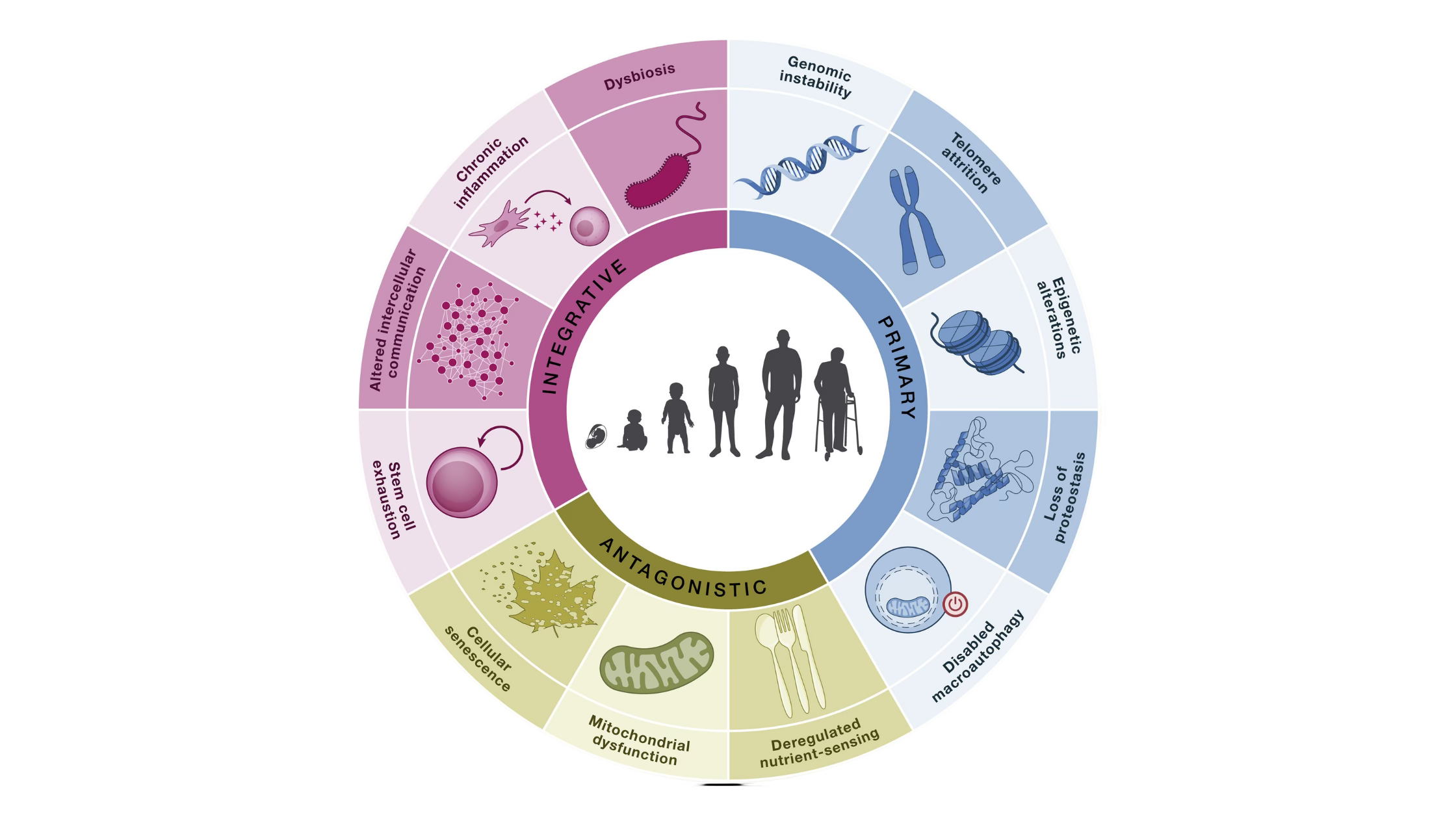
The framework has given the longevity trend three things it desperately needed: legitimacy, specificity, and a roadmap.
The hallmarks matter because they’ve made an abstract, far-off concept (living longer, aging slower) feel tangible and actionable. And the timing couldn’t be better as several forces are pushing longevity from niche to mainstream. Among them:
Aging Populations
The global population aged 60+ is growing faster than any other demographic. By 2030, one in six people worldwide will be 60 or older. And crucially, they don’t see themselves as "old". They’re redefining what aging looks like, rejecting the decline narrative, and demanding products that help them stay healthy and active as long as possible.
Prevention Is the New Cure
We’ve moved from reactive to proactive health and routines. Consumers are adopting preventive strategies earlier, from their thirties (sometimes even before) onward. The hallmarks offer a checklist with domains of intervention like chronic inflammation, nutrient sensing, epigenetic alterations. Each one becomes a target, a metric, a problem to solve.
Biohacking Has Gone Mainstream
At-home tests measure biomarkers. Wearables track everything from glucose to HRV. Apps gamify health care. The infrastructure exists to see whether habits or actions are working or not. You can target telomere attrition, then measure your telomere length. You can address mitochondrial function, then track your VO2 max. The feedback loop is real, and it’s fast.
The commercial response has been swift. Brands are investing in longevity R&D and launching products that target the hallmarks directly. And here’s how they’re translating the science.
⚡ IN THE WILD
Real-world examples showing how this trend manifests into the mainstream.
Reviving Cellular Energy
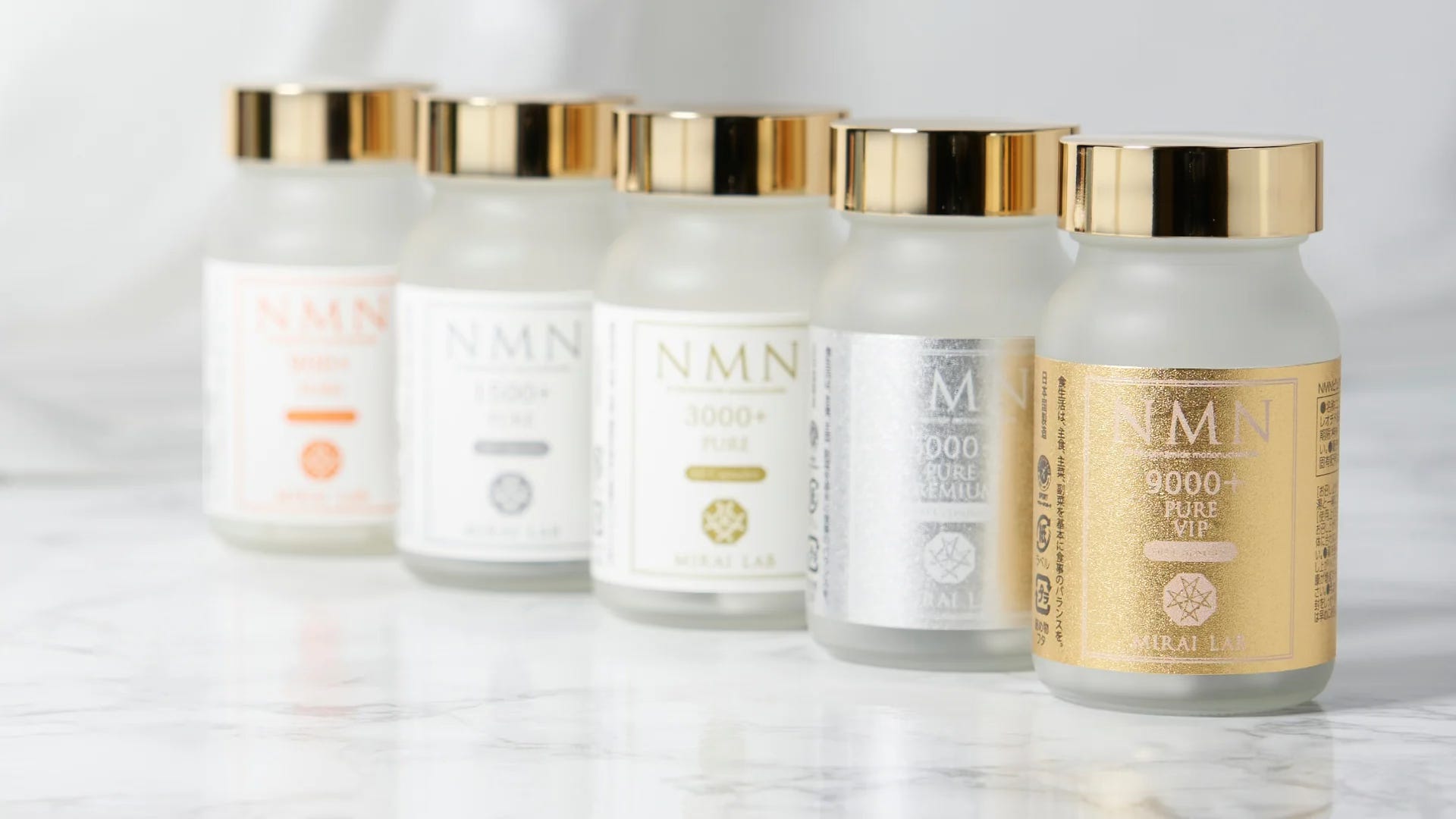
NAD+ (nicotinamide adenine dinucleotide) is a coenzyme that declines with age, weakening cellular energy production and DNA repair. Restoring it has become one of the most accessible longevity interventions and NMN (nicotinamide mononucleotide) supplements, which the body converts into NAD+, are becoming a mainstream wellness product. In Japan, companies like Mirai Lab position their NMN supplement as a daily cellular reset.
Clearing Out the Zombie Cells
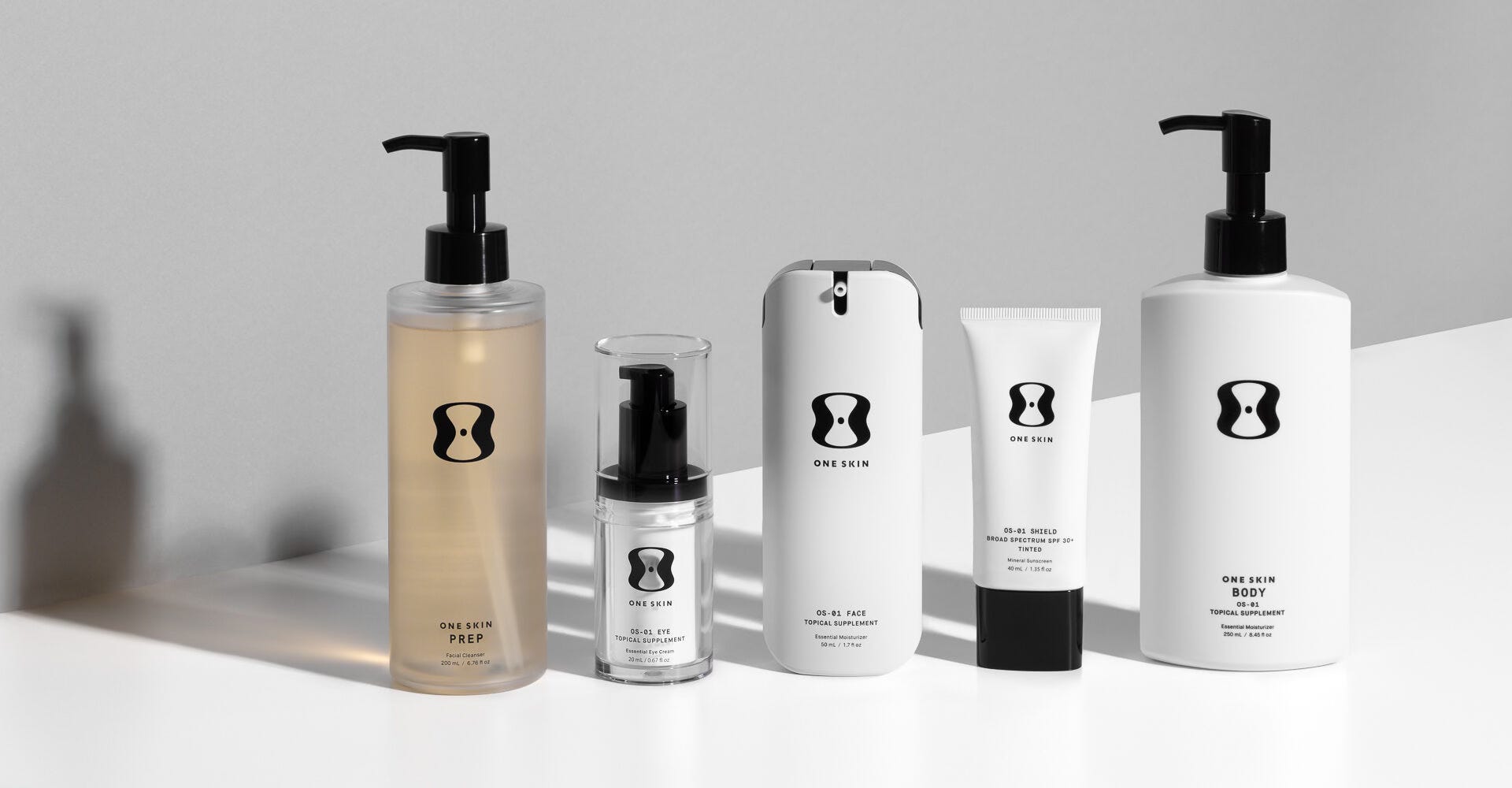
Senescent cells (cells that stop dividing but refuse to die) accumulate with age, secrete inflammatory signals, and accelerate tissue dysfunction. Clearing them out is one of the most promising aging solutions in research right now. OneSkin‘s OS-01 peptide was developed specifically to reduce the senescent cell burden in skin.
Rewiring the Gut-Skin Axis
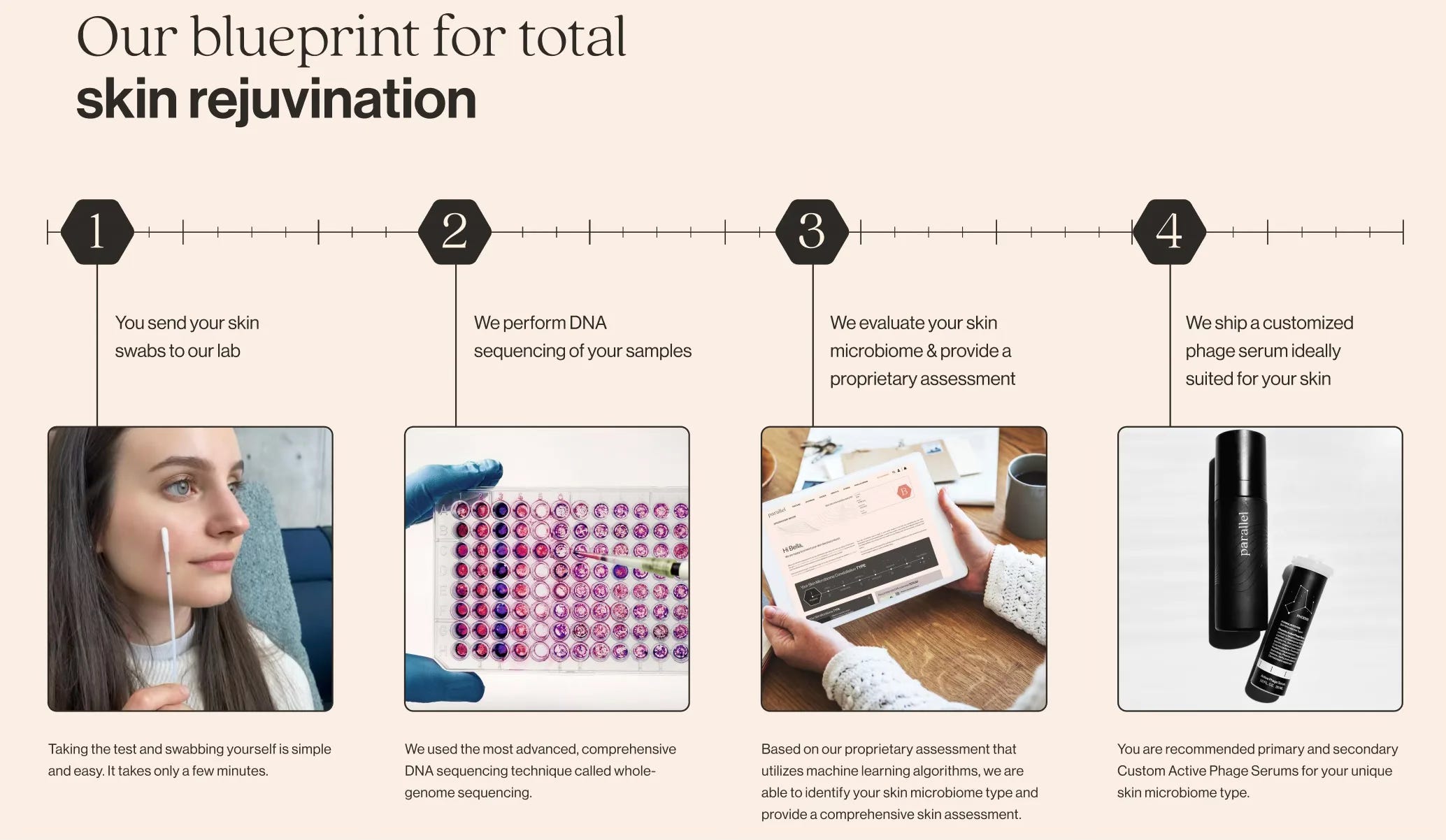
Dysbiosis (the breakdown of microbial balance) disrupts immune signalling and drives inflammation. The gut microbiome has become a longevity lever: optimise it, and you potentially slow multiple hallmarks at once. This shows up as personalised microbiome-testing kits that tailor solutions to your bacterial profile. Parallel Health offers at-home microbiome testing, followed by a consultation with a dermatologist and a custom serum.
Teaching Cells to Clean Themselves
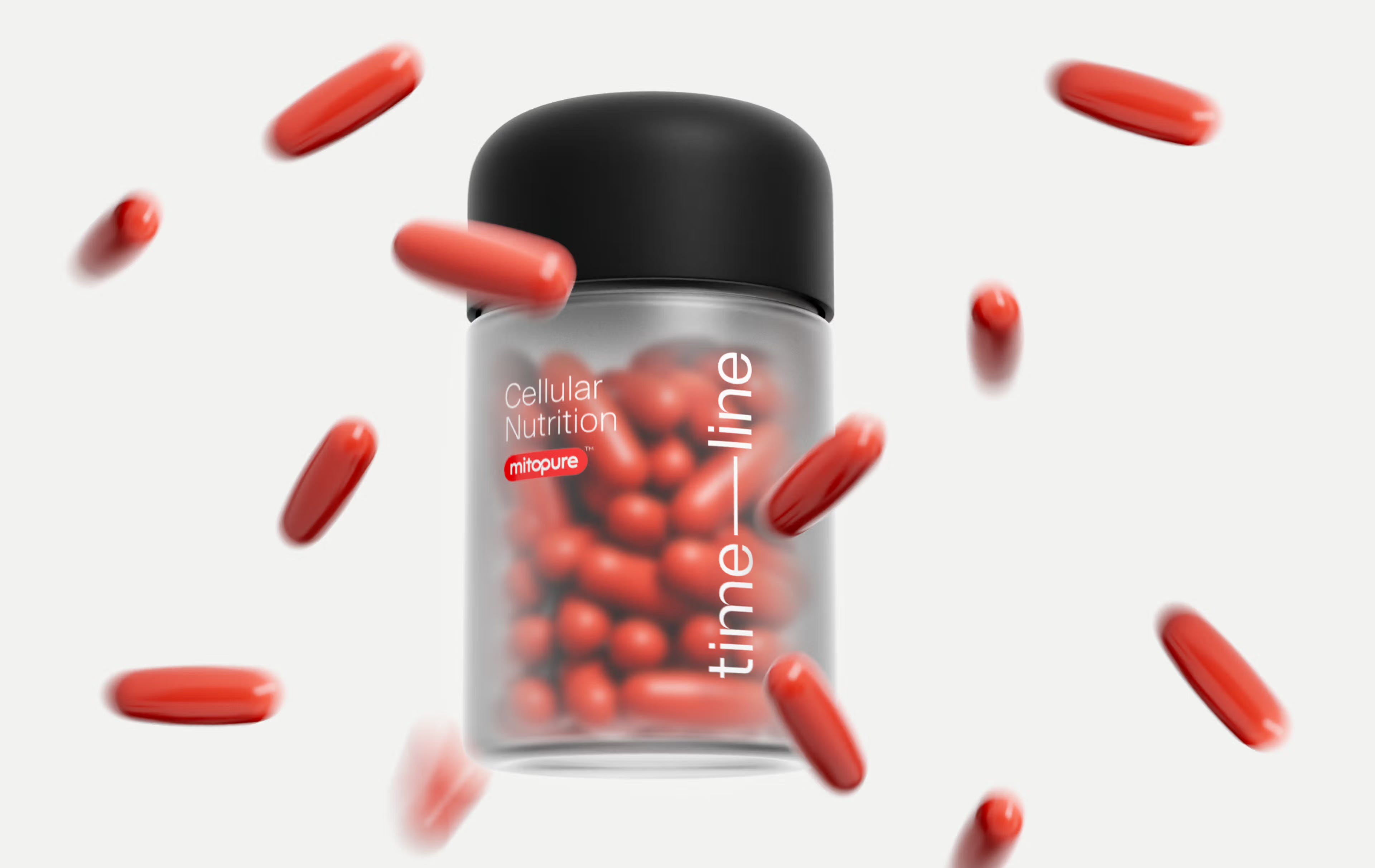
Autophagy is the body’s cellular recycling system, it breaks down damaged proteins to keep cells functioning efficiently. As we age, this process slows down, leading to cellular debris buildup and metabolic dysfunction. Activating autophagy through nutrient-sensing pathways has become a key longevity strategy, often done through fasting. Timeline‘s Mitopure stimulates mitophagy (mitochondrial autophagy), helping cells clear out dysfunctional mitochondria and regenerate healthier ones. The company has built an entire product ecosystem (powder, soft gels, gummies and also a skincare line) around this single mechanism.
Stem Cell Support
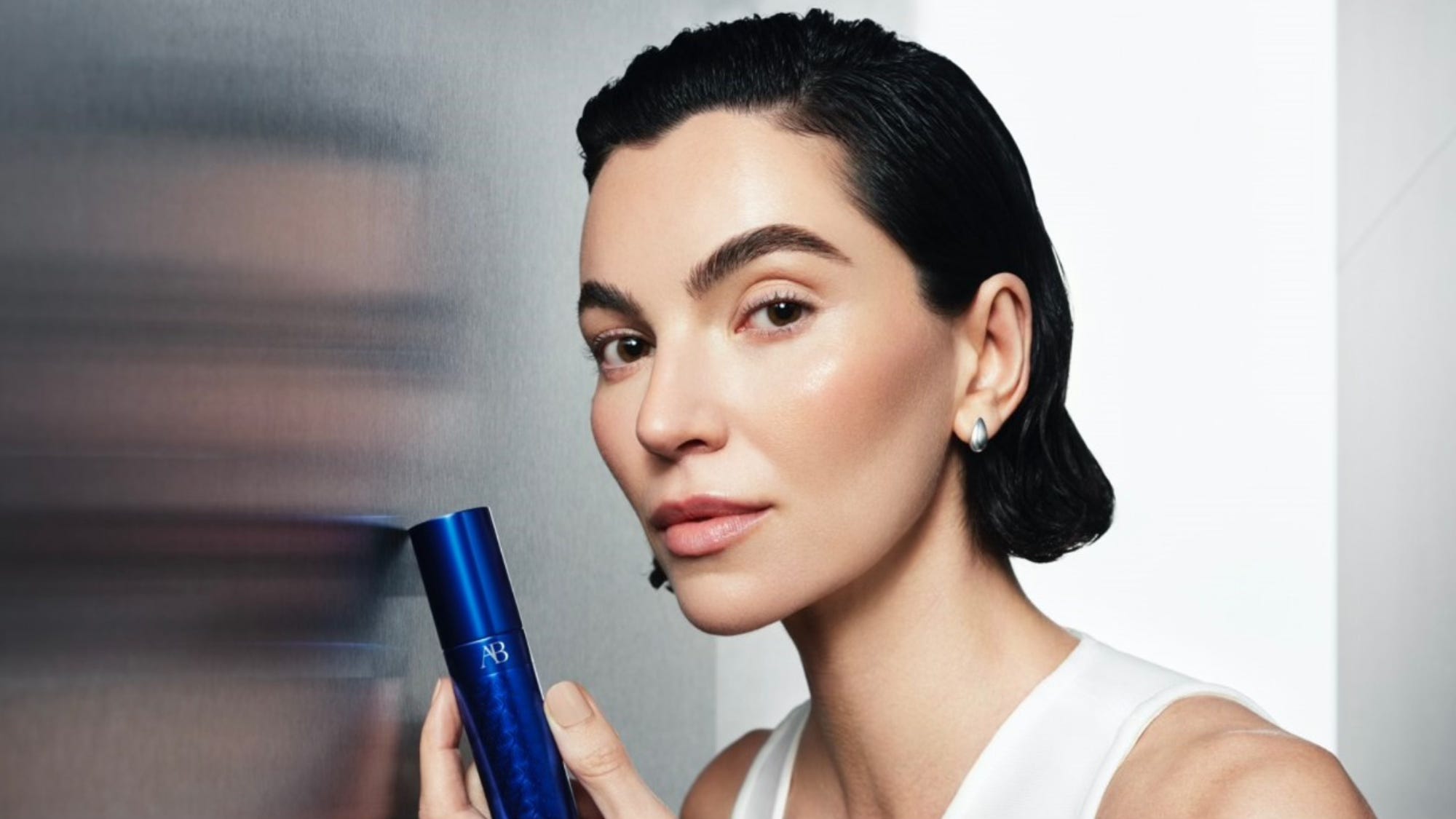
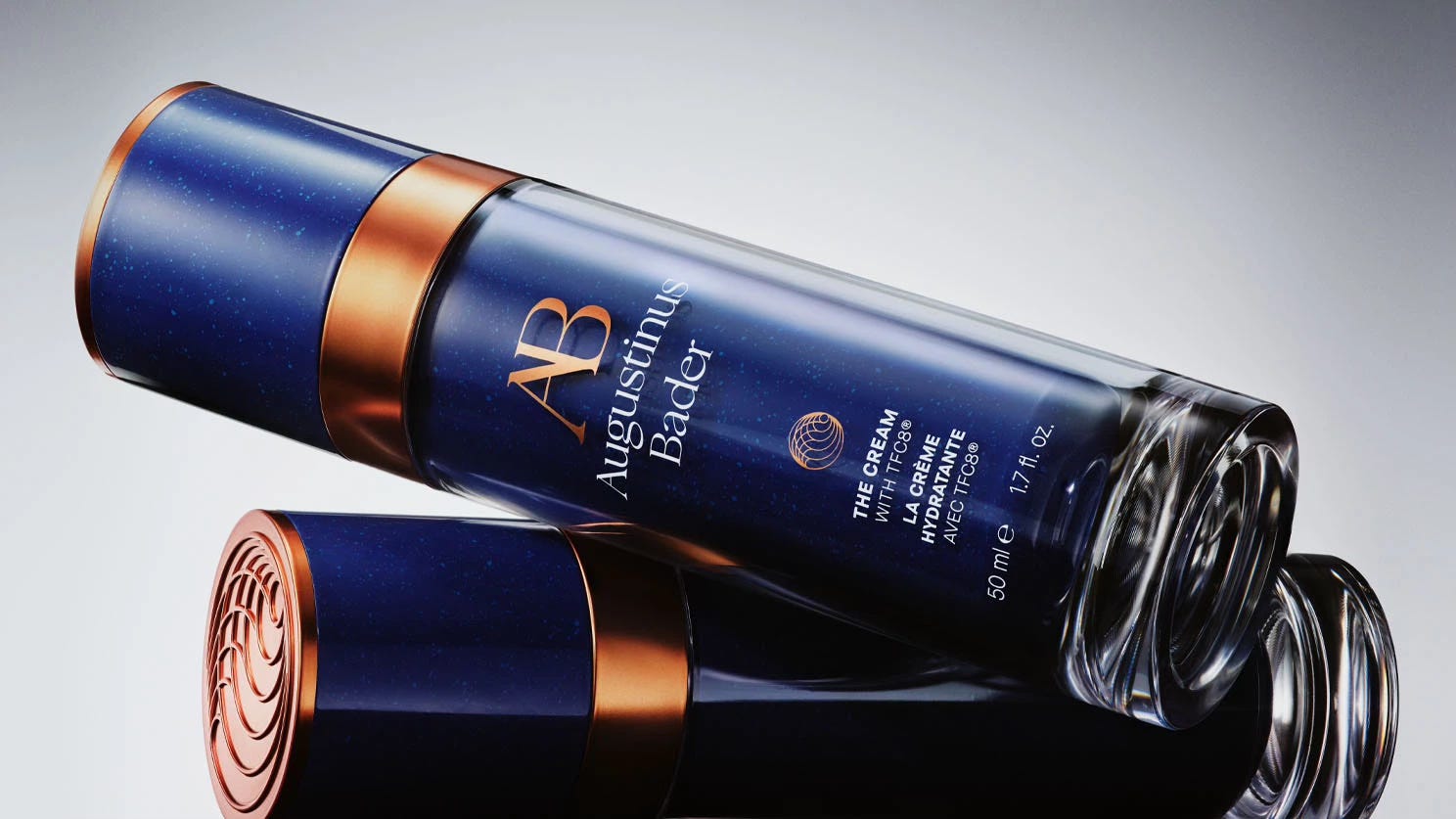
As we age, our stem cells lose their ability to regenerate tissue efficiently. This shows up as slower wound healing, thinner skin, and declining cellular turnover. Supporting stem cell function has become another frontier in longevity skincare, with brands focusing on protecting existing stem cells or mimicking their regenerative signals. Augustinus Bader‘s The Cream built its entire reputation around TFC8 (Trigger Factor Complex), a proprietary blend designed to support the skin’s natural renewal process at the cellular level. The brand leans heavily into the science (the founder is a stem cell researcher), and the product has become a status symbol in the longevity-skincare crossover.
🕸️ WEB OF IDEAS
Zooming out to broader considerations and possible evolutions.
The products above are promising. But longevity science moves fast, and the next innovations are already taking shape in labs, startups, or research papers, often in ways that don’t look like traditional beauty or wellness yet.
The Scent of Aging
Longevity skincare has mostly focused on visible markers: wrinkles, elasticity, pigmentation. But aging shows up in less obvious ways too, including scent. As skin ages, its microbial composition shifts, lipid oxidation increases, and the sebum profile changes, all of which alter body odour. Some ingredients could target aging scent in the future. Qverse Beauty‘s Biocalix, a fermented postbiotic ingredient, claims to target multiple hallmarks (inflammation, oxidative stress, cellular senescence) and one of its effects is to also neutralise age-related scent.
Reverse-Engineering Supercentenarians
Most longevity products target hallmarks we know are breaking down. But what if we studied people in whom those hallmarks aren’t breaking down? Supercentenarians (people who live past 110) don’t just age slowly; they seem to actively resist cellular aging. Recent research shows they have distinct immune cell populations, hyper-efficient DNA repair mechanisms, and remarkably low levels of senescent cells even in extreme old age. As we map more of these biological signatures, we might see companies and brands positioning ingredients or protocols as "supercentenarian-inspired".
Longevity by Algorithm
Cosmetic ingredient discovery is getting the AI upgrade and companies, like Debut, are using machine learning to predict which molecular structures will target specific aging hallmarks, then synthesising those ingredients from scratch. Instead of extracting a peptide from a plant and testing its effects, you design a peptide in silico to activate a specific longevity pathway, then build it. Debut recently raised $20M to accelerate this approach for skin longevity, and they’re not alone, AI-driven ingredient pipelines are becoming the new R&D standard.
A SCENARIO FOR THE FUTURE
Biological age: 34. Two months younger than last quarter.
Lucy steps out of the longevity clinic and checks her watch display. The mitophagy protocol is working. The app breaks it down by category: cardiovascular at 34, skin at 28, cognitive at 38. She’s technically 42, but no one tracks chronological anymore.
At the pharmacy, she picks up her new senolytic patch. It’s custom-designed to clear the exact senescent cell clusters flagged in her latest test. It’ll dissolve by tonight.
Her evening routine is always the same. She uses a single product: a peptide mist to recalibrate her skin before sleep. It works on circadian rhythm (which was proven to dramatically impact several hallmarks of longevity), and is also formulated to trigger autophagy in her skin cells overnight. The formula is adjusted weekly based on her wearable’s stress and inflammation readings and is delivered to her door in micro-batches.
Before bed, she swallows her monthly epigenetic reset capsule. It reprograms a small percentage of her cells back to a younger state without triggering the cancer risk that plagued early trials. The technology won a Nobel five years ago. Now it’s subscription-based.
As she settles into bed, a headline scrolls across her watch screen: Supercentenarian population doubles for third consecutive year. The average keeps rising. Living past 110 in good health isn’t rare anymore, it’s becoming expected.
🪐 WHAT IFs
Questions to spark reflection on where this could go next.
What if the microbiome became the primary longevity lever?
What if personalised longevity protocols (based on genetic testing and biomarker analysis) become the baseline expectation?
What if regulatory bodies started requiring brands to prove hallmark-specific efficacy before making longevity claims?
The hallmarks framework has given longevity science legitimacy and clarity. But it’s also given brands new language to borrow without earning it. We’re already seeing longevity claims attached to products that haven’t changed, just been repackaged. If this continues, the term risks becoming meaningless. The twelve hallmarks offer a concrete, peer-reviewed framework that separates real solutions from marketing spin. The science is real, the potential significant. But only if the industry treats longevity as something to achieve, not just claim.
See you in the future 🔮